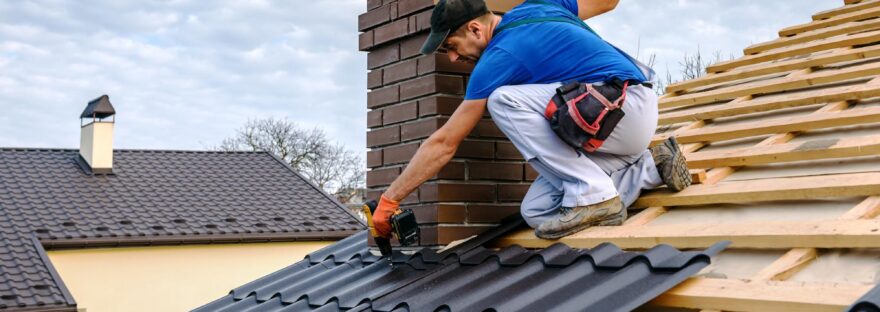
Roofers West Chester PA are crew members for roofing contractors who repair or install new roofs. They are detail-oriented and work well under pressure. They also enjoy climbing on rooftops and navigating residential neighborhoods to access rooftops for repairs or installation.
Service roofers focus on insurance claims, repair, and inspections. They often require long sales presentations and insist that all decision makers are present to discuss the options.

Roofers repair, replace, and install roofs on residential and commercial buildings. They also maintain roofs to prevent leaks and other problems. They may work for roofing contractors, construction companies, or as independent contractors. Roofers often work at heights and in challenging environments, so they must follow strict safety protocols and use protective equipment. They also have to be physically strong and able to carry heavy loads.
Many roofers learn their trade through on-the-job training programs or from carpentry jobs in other fields. Others attend vocational schools or apprenticeships to become skilled roofers. Regardless of their formal education, roofers must be able to read blueprints and understand the engineering behind the structure of roofs. This allows them to estimate how much labor and materials are needed for each roofing project.
In addition to their technical knowledge, roofers must be able to communicate with clients about the project and answer any questions they might have. They also need to know the local building codes that affect roof installation. For example, they must be familiar with the requirements for fire retardant or energy-efficient roofing materials.
Some roofers specialize in particular types of roofing systems. They may focus on shingles, metal roofs, or flat roofs. For instance, they may be experts in installing green roofs that absorb rainwater and reduce energy costs. They can also install solar panels to offset the cost of energy bills.
Because roofers spend most of their time working outdoors, they must be able to tolerate extreme weather conditions and be comfortable climbing and bending over the course of a day. They must also have good balance and physical stamina in order to avoid falls from heights. Roofers are also required to frequently lift heavy materials, such as bundles of shingles, which can weigh up to 60 pounds.
Because of the demanding nature of this occupation, roofers often find themselves at high risk for injuries and illnesses. In fact, roofers have one of the highest rates of occupational accidents and deaths in the construction industry. To reduce the risks, roofers should wear sturdy shoes and clothing that protects them from falling objects, such as a hard hat and eye protection. They should also be careful when handling sharp tools and using ladders or scaffolding. Finally, roofers should take regular breaks to rest their bodies and lungs.
Whether you’re re-shingling a residential roof or installing flat roofing on a commercial structure, a career as a roofer requires physical stamina and a high level of skill. In addition to good balance, you need to be comfortable working at heights and with tools that require manual dexterity. Having the right education and training is essential to ensure that you’re up for the job. Besides specialized training, some states and organizations also have licensing requirements for contractors that work on roofing projects. Certification from these organizations shows that you’re committed to professionalism and quality work.
Most roofers acquire their skills informally on the job or through apprenticeship programs. Beginners begin as helpers, performing basic tasks like carrying equipment and erecting scaffolding before moving on to more complex jobs. Oftentimes, they need several years to learn the tricks of the trade.
Some vocational schools offer specialized courses that cover subjects such as safety protocols, materials, and equipment used in the field of roofing. These courses provide a solid foundation for practical roofing experience. In addition, some schools may offer a 3-year apprenticeship program. This type of apprenticeship combines on-the-job training with classroom instruction and certification. This is an excellent way to get started in the industry, but it has some drawbacks. For one, it requires that you join a labor union, which comes with its own set of rules and fees.
Some individuals take a more self-directed approach to learning the ropes of the profession by enrolling in a hands-on roofing course. Depending on the type of roofing you’re interested in, these courses can last between a month and two years, and they provide hands-on practice in the field. While the training doesn’t guarantee that you’ll become a professional roofer, it can give you a competitive edge in the job market. The National Roofing Contractors Association (NRCA) offers certification for students that have completed roofing classes, which is beneficial for those who want to demonstrate their commitment to professionalism and quality workmanship. In addition, this certification can reduce the cost of insurance for your roofing business.
Roofers must follow national safety standards when working on a job site. Generally, this includes using ladders correctly, having proper roofing equipment, and avoiding certain dangerous materials. They must also wear the appropriate clothing, including protective gear such as face masks and safety goggles. Additionally, they must be aware of possible exposure to toxins such as lead and asbestos.
Moreover, it is common for roofers to be exposed to intense sunlight during the workday, which can cause dehydration. This can be addressed by drinking plenty of water and avoiding working outside during midday, if possible. In addition, roofers should try to stay away from heat exhaustion by taking frequent breaks throughout the day.
Another potential risk is musculoskeletal injuries, which are usually caused by repetitive tasks or forceful activity. Roofing professionals are at high risk for developing these injuries, especially in the forearms, elbows, wrists, hands, shoulders and neck. Additionally, there is a possibility of skin problems such as sunburn or longer-term damage such as leathery, mottled and wrinkled skin.
The most important skill that roofers need to develop is coordination. This is because they need to be able to work with a team and manage projects in an efficient way. Additionally, they need to be able to communicate effectively and listen attentively. Finally, roofers need to be able to critically think when they are confronted with different challenges.
In addition to these skills, roofers need to have good physical health and mental wellness. A lot of the time, roofers are required to climb up and down ladders, which can be very taxing on their bodies. In addition, it is not uncommon for exposed wires and other obstacles to be found on roofs. These can cause serious injury if roofers accidentally trip over them.
Lastly, the nature of roofers’ jobs often requires them to use a variety of tools and machinery, some of which can be very heavy and cumbersome. This can lead to muscle fatigue and pain, particularly in the forearms, elbows, and wrists. Additionally, repeated bending and standing for long periods of time can cause back and neck problems.
Roofers are needed nationwide. As long as people continue to build homes and need repair services after severe weather or natural disasters, there will be a demand for roofing professionals. The industry is also growing rapidly because of urbanization, which requires new housing.
Although it’s an intense job that demands strength, balance and routine, a career in the roofing industry can be very rewarding. There are plenty of opportunities for advancement, especially if a worker chooses to pursue extra certification and gain a competitive edge. However, most roofing workers learn the trade through on-the-job training and apprenticeship programs.
The average salary for a roofer is $36,790 per year. Those with more experience are paid higher wages. Some may work overtime to ensure a project is completed on time and within budget. Over the summer months, roofing jobs tend to be busier than other times of the year.
As a result, many roofers are employed full-time and can enjoy benefits like health insurance and retirement plans. They can choose to be independent contractors or work as part of a team. Some may also be able to negotiate better rates for their services if they have experience in the industry.
There are many types of roofing systems, and each one has its own unique advantages and disadvantages. Choosing the right system for a home or commercial building is crucial to ensuring its longevity and keeping its value. A professional roofer knows how to assess a property’s roofing needs and recommend the best options.
A roofing technician can earn up to $78,000 per year. However, there are several factors that affect roofer salaries, including the cost of living in a particular area, the type of roofing system and whether the job is performed by an independent contractor or as part of a larger construction company. There are also a number of support jobs that can be found in the roofing industry, such as estimators, supervisors and account managers. These positions can offer a more stable employment option than roofing jobs and may require less formal qualifications.